Bailey says energy prices stable post-Iran war, UK economy impact still being assessed
Andrew Bailey’s message is not exactly champagne-on-the-trading-floor stuff: energy prices have calmed after the Iran war, but the UK economy has not yet received the all-clear.
Sylvia Parrish, Chief Business Columnist·updated July 06, 2026
The relief in markets is real — just not clean
The useful number here is the one energy traders already know by heart: Brent crude reportedly jumped from roughly $70 a barrel to above $100 during the conflict, while UK wholesale gas prices surged about 75% as disruption fears around the Strait of Hormuz rattled markets.
That panic has since eased. Crypto Briefing reports that by mid-June 2026, early signs of a US-Iran peace understanding helped take pressure out of the market. Bailey’s line, as reported, is that energy prices have largely settled back toward pre-conflict levels, though oil remains somewhat higher than before the war began.
That distinction matters. Markets love to price the end of fear before households ever feel it. The risk premium can vanish from a futures screen in an afternoon; the consumer impact, naturally, moves with all the grace of a wet sofa.
So yes, policymakers have breathing room. No, they do not yet have certainty.
The consumer still gets the invoice
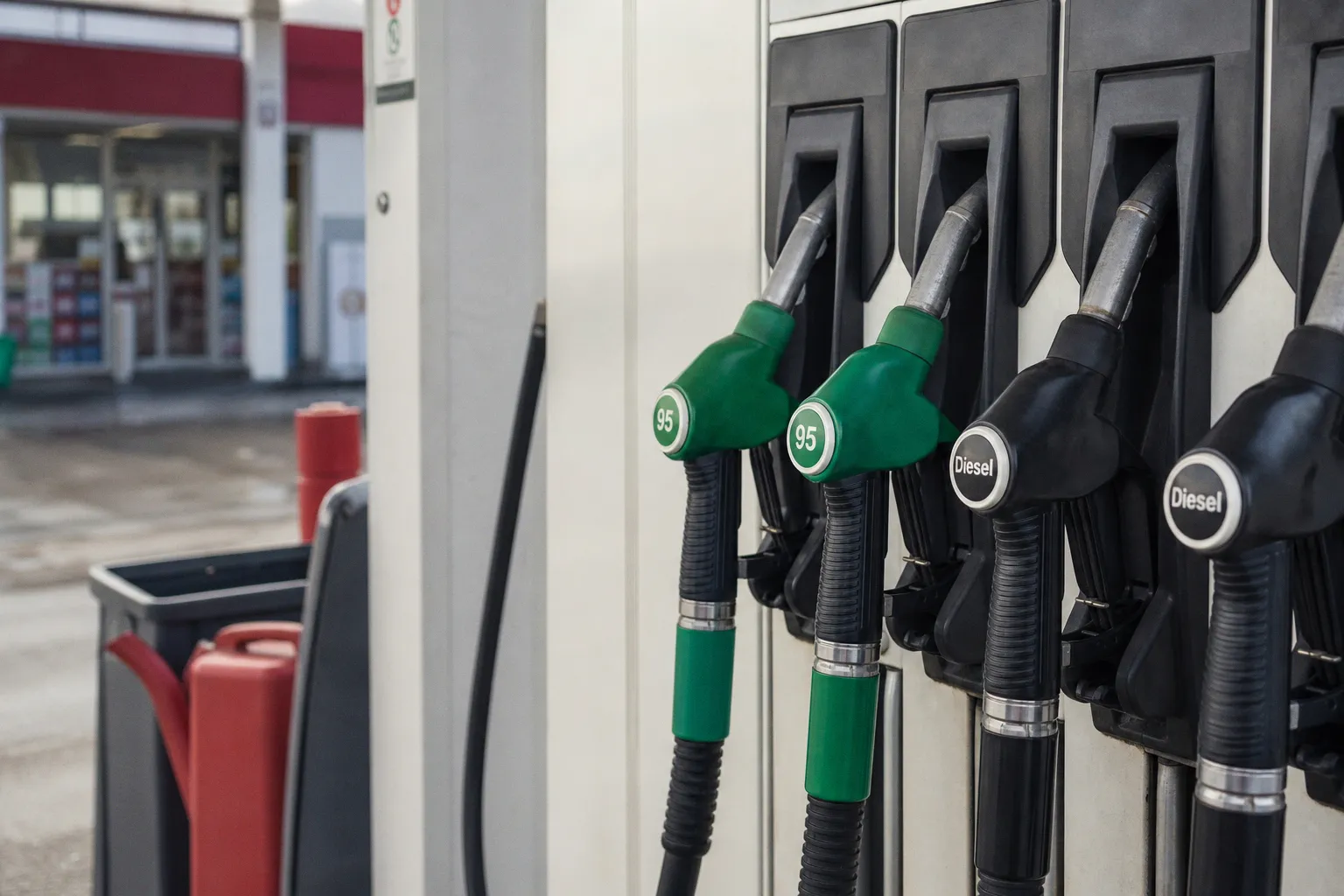
Here is the friction point for the UK: cheaper wholesale energy does not instantly mean cheaper household bills. The source notes that Ofgem has announced a 13% increase in the energy price cap effective July 2026. Average household energy bills are expected to rise by more than £200 a year to around £1,862, with some broader estimates suggesting increases closer to £330 for certain households.
That is the kind of number that quietly raids discretionary spending. Not a market crash. Something more tedious and more durable: less cash for restaurants, retailers, subscriptions, holidays, upgrades, and all the other little transactions that keep consumer-facing businesses from discovering religion.
Bailey also made the obvious but politically inconvenient point: the Bank of England cannot make your gas bill cheaper. Monetary policy can lean against second-order effects — inflation expectations, wage-price dynamics, broader price-setting behaviour — but it cannot pump more oil, unblock shipping lanes, or rewrite a household energy statement.
I have watched this movie before. Central banks get blamed for prices they did not create, then blamed again for the medicine used to contain the aftershocks. Hubris belongs to anyone who thinks this process is painless.
Rates: still stuck in the waiting room
The Bank of England held its base rate at 3.75% through its June 2026 meetings, according to the report. That is the heart of the market story. Energy stress has eased enough to avoid immediate panic, but not enough to give policymakers a clean runway for cuts.
For borrowers, that means no near-term miracle. Mortgage holders and businesses relying on cheaper financing should not mistake lower oil prices for a guaranteed policy pivot. For investors, it means watching the pass-through: do energy costs keep inflation sticky, or does the retreat in wholesale prices eventually bleed into the data?
There is also sector rotation hiding in plain sight. Energy stocks that benefited from the spike may lose some leverage as prices normalize. Consumer-facing companies, meanwhile, still have to deal with households whose bills are rising before relief shows up. That lag is not a footnote. It is the mechanism.
And in the background, the global rate narrative remains tight. Separate reports in the source pack point to the Federal Reserve examining AI’s economic impact and to a “higher for longer” framing around 2026 interest-rate policy. Those snippets do not tell us enough to build a grand thesis, but they do reinforce the obvious: central banks are not operating in a world where every risk has politely left the room.
What should readers watch now? The durability of any US-Iran understanding, wholesale energy moves, the timing of price-cap effects, and whether UK inflation expectations behave. If peace holds, the energy shock fades from the policy dashboard. If it cracks, the mirage disappears fast.
Markets got their exhale. Households are still holding the receipt.