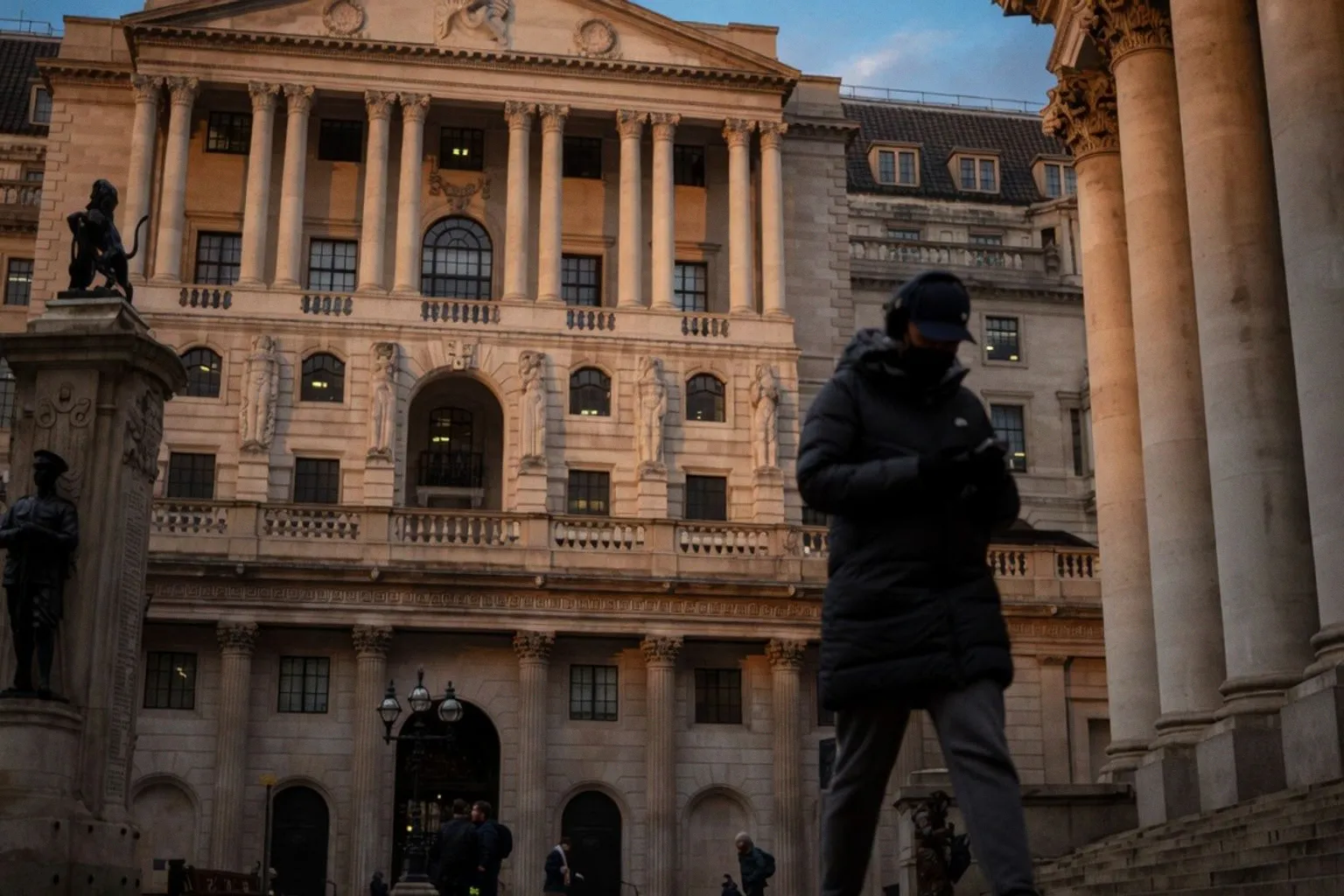
Bank of England Holds Interest Rates at 3.75% Amid Inflation Concerns
I have watched central bankers play this game of chicken with inflation since the 2008 crisis, and the latest move from Threadneedle Street is classic defensive positioning.
Julian Vance, Chief Business Columnist·updated June 20, 2026
The Pricing Power Mirage
Let us look at the mechanics behind the 2.8% inflation figure. Economists braced for a surge toward 3%, fueled by predictions that the Iran conflict would choke global energy supplies and send fuel prices skyrocketing. Fuel did jump—motor fuel prices were 25% higher than last year—but the broader contagion never materialized. Why? Because businesses are absorbing the blow.
Food prices actually dipped 0.1% month-on-month, revealing a harsh reality: consumer demand is too weak to support aggressive price hikes. Bank of England Governor Andrew Bailey has repeatedly pointed out this lack of pricing power, and the data backs him up. If you are operating a business on the assumption that you can easily pass rising input costs down the line, this is your wake-up call. The margin squeeze is real, and it is staying.
The Transatlantic Leverage Trap
We cannot view the BoE in a vacuum. Across the Atlantic, the US Federal Reserve also held its ground, with Fed Chair Warsh signaling that higher rates remain firmly on the table due to persistent inflation risks. What does this mean for your capital structure? It means the era of cheap global liquidity is not returning anytime soon.
When both the Fed and the BoE refuse to budge, they are telling you that the risk of cutting too early outweighs the pain of keeping borrowing costs high. If you are holding variable-rate debt or waiting for a refinancing miracle, you are playing a dangerous game of hope.
Actionable Steps for the Pause
So, how do you navigate this plateau? First, audit your supply chain contracts immediately. With fuel up 25% but overall inflation flat, your suppliers are eating the difference for now, but that friction will eventually crack their margins; identify which of your critical vendors are most vulnerable to this squeeze. Second, lock in your financing costs now. Do not bet on rate cuts easing your interest burden this year; assume 3.75% is the floor, not the ceiling.
In a world where central banks are terrified of acting too soon, waiting for a rate cut is not a strategy—it is a confession of weakness.