Escrivá Says ECB Must Be Vigilant on Oil Price Impact on Wages
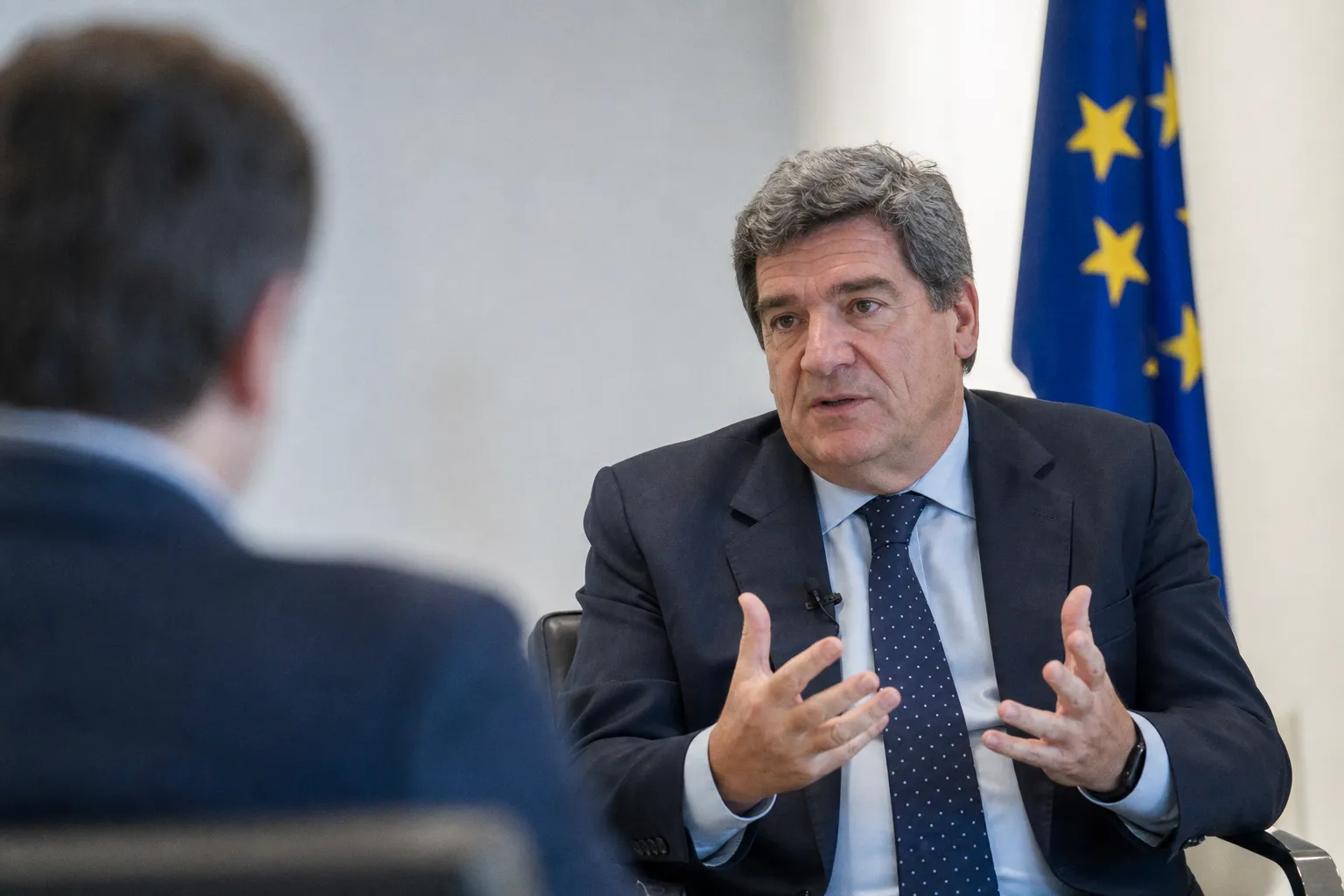
A sitting ECB Governing Council member just stood up in Barcelona and told markets to stop taking comfort in data that, by his own admission, doesn't yet exist.
Julian Vance, Chief Business Columnist·updated June 26, 2026
The Mechanism Escrivá Is Worried About
Here's the chain: crude rises, fuel costs spike, services and transport — two sectors where energy is a meaningful slice of operating budgets — start absorbing margin hits. Eventually, workers demand higher wages to offset the squeeze. That wage pressure then bleeds into broader consumer prices, and you're looking at entrenched inflation driven not by a one-off energy shock but by the feedback loop it triggered.
Escrivá's key phrase is worth sitting with: these second-round wage effects "have yet to materialise." Workers across the eurozone haven't started pushing for significantly higher compensation in response to energy-driven price increases — at least not in ways showing up in the data. He's flagging a risk that is, for now, theoretical. But theory backed by a central banker with his résumé — former head of the ECB's Monetary Policy Division, former Spanish minister — carries more weight than a hedge fund's trading desk model.
What This Means for Rate Expectations
Let me translate the subtext: if oil keeps climbing and wages start chasing, the ECB's rate path gets repriced. Hard. Euro-area government bond yields, particularly at the short end of the curve, live and die on shifts in ECB rate expectations. Right now, markets are pricing a certain trajectory. If Escrivá's scenario plays out, that trajectory looks meaningfully different — and anyone sitting on short-duration European sovereign paper is the first to feel it.
For equities, the exposure is more granular. Airlines, logistics operators, and consumer-facing businesses in the eurozone are the canaries. Fuel is their cost base, and margin compression isn't a hypothetical when crude pushes higher without a corresponding demand tailwind to offset it. If those companies start raising prices and wages follow suit, you've got the exact feedback loop Escrivá described.
The Real Message Between the Lines
The most important data point right now is a negative one: nothing has happened yet. And Escrivá knows it. His Barcelona speech was essentially a warning to the market not to confuse the absence of evidence with evidence of absence. Oil production levels, geopolitical disruptions, supply recovery timelines — all stubbornly unpredictable variables sitting in the eurozone's economic dashboard. "Considerable uncertainty" was how he framed the baseline scenario, which is central-banker code for "we don't have a clue what energy does next, but we'd better be ready when it does."
What to watch: euro-area wage data in the coming quarters, services-sector inflation prints, and any ECB rhetoric that shifts from "vigilant" to "concerned." The gap between those two words is where bond repricing starts.
Escrivá isn't calling a crisis. He's telling you the plumbing is fragile — and that the market's calm is built on a data gap, not a foundation.