Navigating the Global Economic Outlook for 2026: Structural Stagnation and Debt Risks
According to The Financial Express, the global economy in 2026 is not heading toward one clean, cinematic crisis.
Sylvia Parrish, Chief Business Columnist·updated July 27, 2026
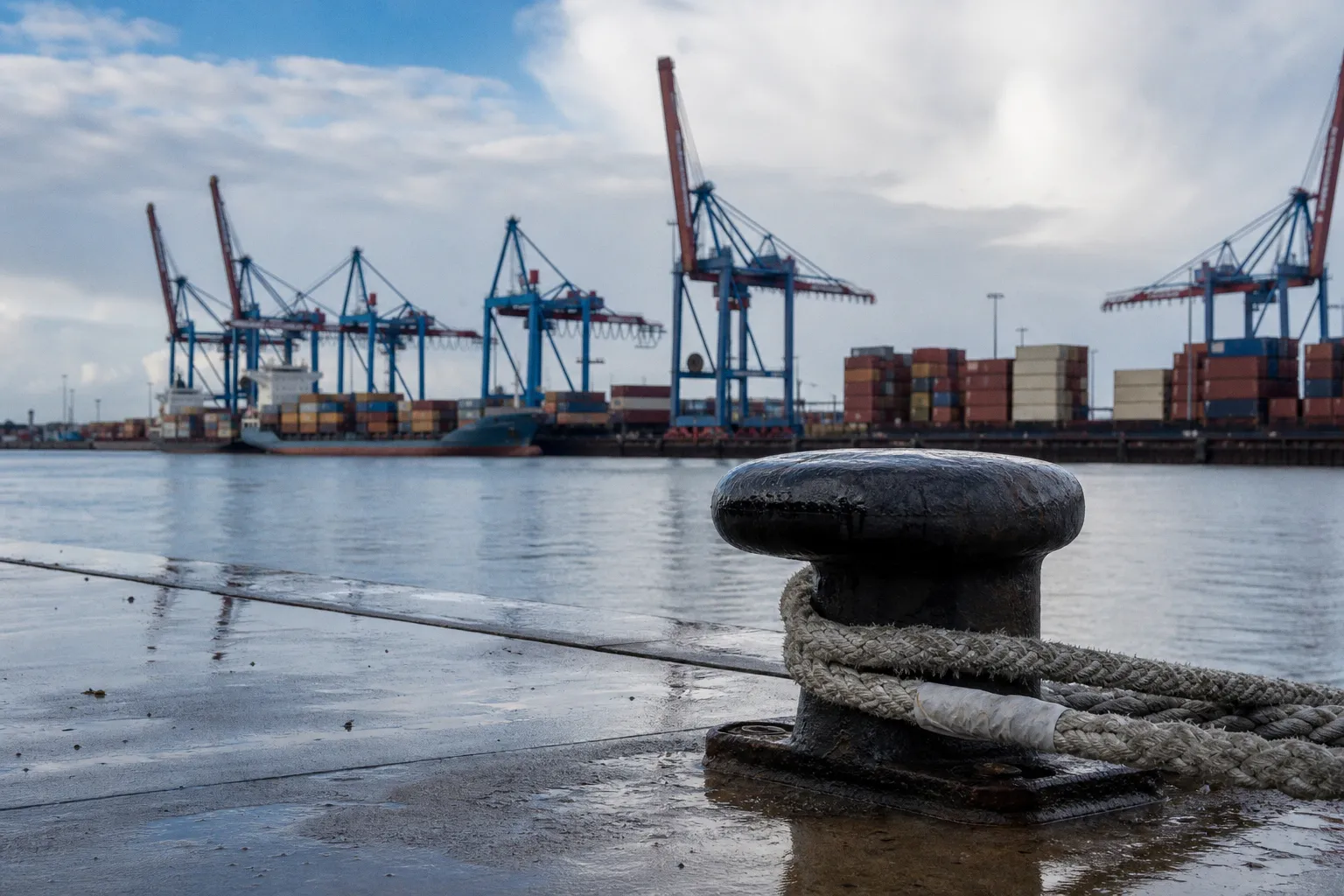
It is instead being squeezed by a less marketable combination: slower growth, sticky inflation, debt-service pressure, fractured trade and energy uncertainty. Investors dislike ambiguity. Governments dislike refinancing bills. This year offers both in quantity.
The paper points to global growth forecasts in a roughly 2.7%–3.1% range, while citing a UNCTAD outlook for 2.7% growth—below both 2025 levels and the pre-pandemic average. That is not a 2008-style banking-collapse call. It is arguably more awkward: a structural stress test with no obvious reset button.
The cost of capital remains the real story
Inflation may be easing in some places, but the source argues that supply-chain changes and higher energy prices are keeping central banks cautious. “Tighter for longer” has become one of finance’s most overused phrases because, regrettably, it still describes the arithmetic.
High rates do not merely dent consumer confidence. They raise interest costs for governments already carrying heavy debt loads, compress corporate investment decisions and leave borrowers exposed when old funding rolls into new, pricier funding. The Financial Express flags refinancing pressure in Europe and annual US interest payments above $1 trillion. That is fiscal friction, not a footnote.
For markets, the practical question is less whether rate cuts happen than whether they arrive quickly enough to offset weak investment and higher financing costs. A nominally easier monetary stance can still feel restrictive when debt matures into a more expensive world.
Energy and trade risks have stopped being background noise
The report also links renewed concern over the Strait of Hormuz to lower oil and refined-product inventories and rising oil and petrol prices. Whether the immediate market move persists is one question; the broader vulnerability is another. Energy disruption has a rather efficient way of spreading from freight and industrial inputs into inflation expectations, margins and household budgets.
That matters because policymakers face a familiar trap. Respond too softly to inflation and credibility frays; hold policy tight while growth fades and the political cost compounds. There is no elegant solution hidden behind a central-bank communiqué.
Trade tensions and geopolitical fragmentation add another layer of uncertainty, particularly for developing and climate-vulnerable economies with limited fiscal room. UNCTAD, as summarized by the paper, warns that weak coordination could lock the world into a lower-growth path. The phrase is dry. Its consequences are not.
Follow the leverage, not the slogans
The most seductive mirage remains technology. The Financial Express notes concern that heavy spending on AI infrastructure has outpaced near-term revenue, leaving room for a market correction and high startup failure rates. AI may prove transformative. So did railways, electrification and the internet. None exempted investors from paying too much at the wrong moment.
Meanwhile, the source highlights the growth of unregulated private debt and non-bank lenders as a potential vulnerability when shocks hit. This is where readers should be clinical: check refinancing schedules, interest coverage, exposure to energy-sensitive costs and dependence on private credit. Ignore the glossy presentation deck until the cash flows have had their say.
There is at least one counterweight to the prevailing Western anxiety. 98.4 Capital FM Kenya, in an opinion piece citing The Banker’s 2026 ranking, says Chinese lenders occupy the top four positions globally by Tier 1 capital, with assets above $22 trillion collectively. Financial leadership, it seems, is also shifting through balance sheets—not speeches.
The 2026 economy is not one trade. It is a ledger of interlocking risks. And ledgers, unlike narratives, eventually have to balance.