Private banking sector flux: CFO departures and leadership uncertainty amid regulatory changes
The real tremor in finance isn't the latest index flicker—it’s the quiet exodus of chief financial officers from private banking desks. We’re seeing a sector-wide flux, driven by a regulatory ratchet that’s squeezing margins and rewriting the rulebook.
Sylvia Parrish, Chief Business Columnist·updated June 30, 2026
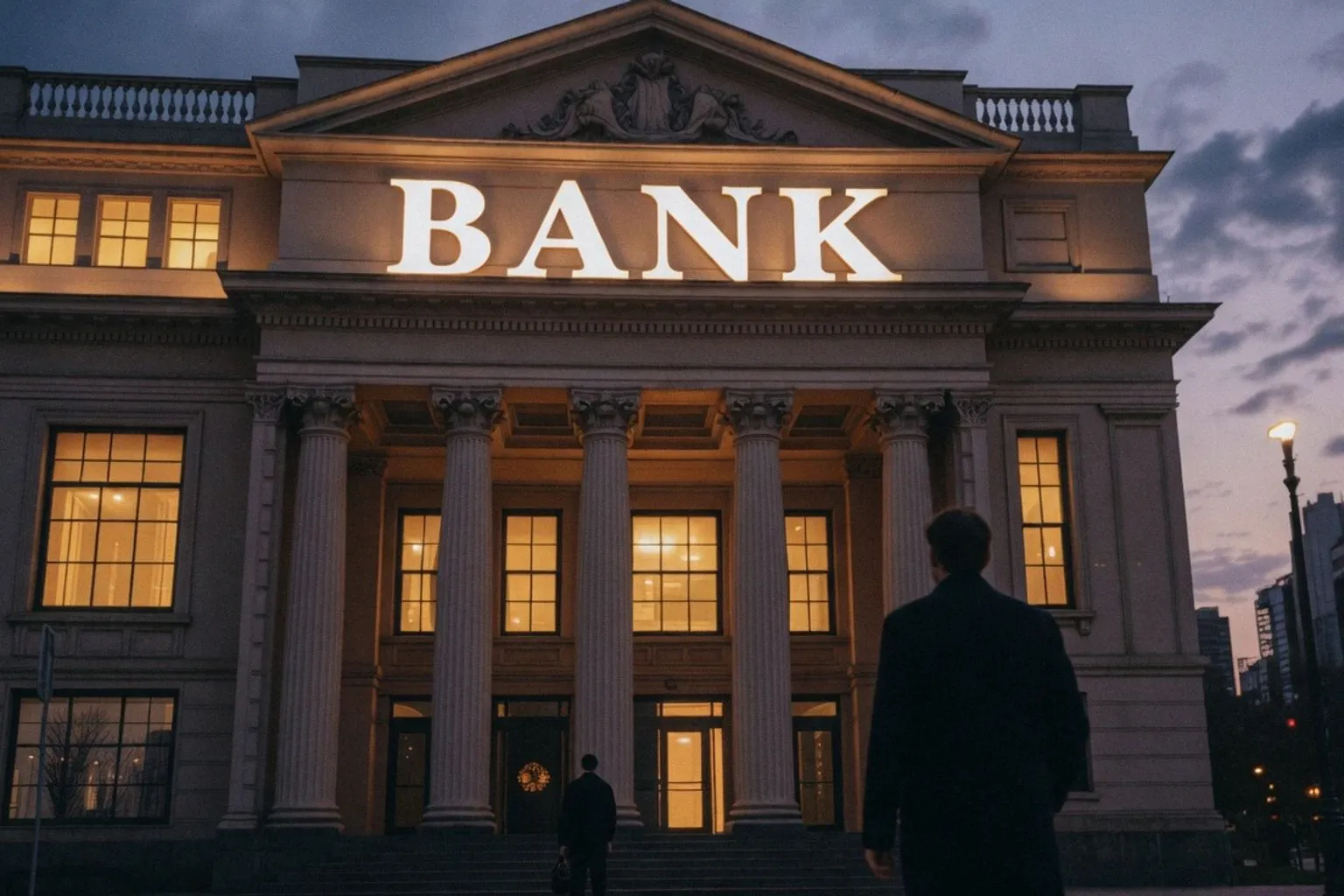
The Regulatory Squeeze and Leadership Exodus
The picture is one of profound instability. Reports point to a wave of CFO departures and general leadership reshuffles across the private banking sector. This isn’t coincidental turnover. It’s the direct friction from a changing regulatory landscape that’s forcing a fundamental recalculation of risk, compliance costs, and ultimately, profitability. When the CFO walks out, it’s rarely a vote of confidence in the current trajectory. Let’s translate that for you: the people who manage the balance sheet are heading for the exits as the rulebook they must follow gets heavier and more expensive.
The Pivot to New Revenue Streams
Amid this core-business turbulence, some players are clearly looking to diversify their way out of trouble. Look no further than Zerodha, the Indian brokerage giant. It’s now seeking a merchant banking license from SEBI to expand into managing IPOs and other capital market deals. This is a telling move. When your core business faces headwinds—be it regulatory burden or client flux—you pivot to adjacent, fee-rich services. Zerodha’s play is a microcosm of a larger industry logic: if the traditional banking model is becoming a regulatory minefield, build a bridge to investment banking fees. The space is already crowded with names like Kotak and ICICI Securities, but the migration signals where the real leverage is perceived to be.
The AI Bubble and Systemic Risk
And just when you thought the plot couldn’t thicken, enter the Bank for International Settlements. A report suggests the BIS is sounding the alarm on a potential "AI deflation," warning of an investment collapse and a new financial shock. This is the macro headwind looming over all the sector-specific maneuvering. Private banks are frantically retooling for a world of higher compliance and lower margins, while a potential burst of the AI investment bubble threatens to create a whole new category of distressed assets and client panic. It’s a classic one-two punch: internal restructuring pain combined with an external systemic risk.
So, what do you watch next? Don’t just track the share prices. Track the tenure of CFOs at major private banks. Watch the licensing applications from brokers-turned-bankers. And keep a weather eye on those BIS reports—they’re less about predicting the future and more about confirming the fault lines already running through the present. The hubris of easy growth is gone; welcome to the era of managed friction.