Queen Máxima Grasps UPI, AI-Led Financial Health Innovation
Royal endorsement is cheap. Royal endorsement that actually touches the plumbing of a payments system — that's worth watching.
Julian Vance, Chief Business Columnist·updated June 27, 2026
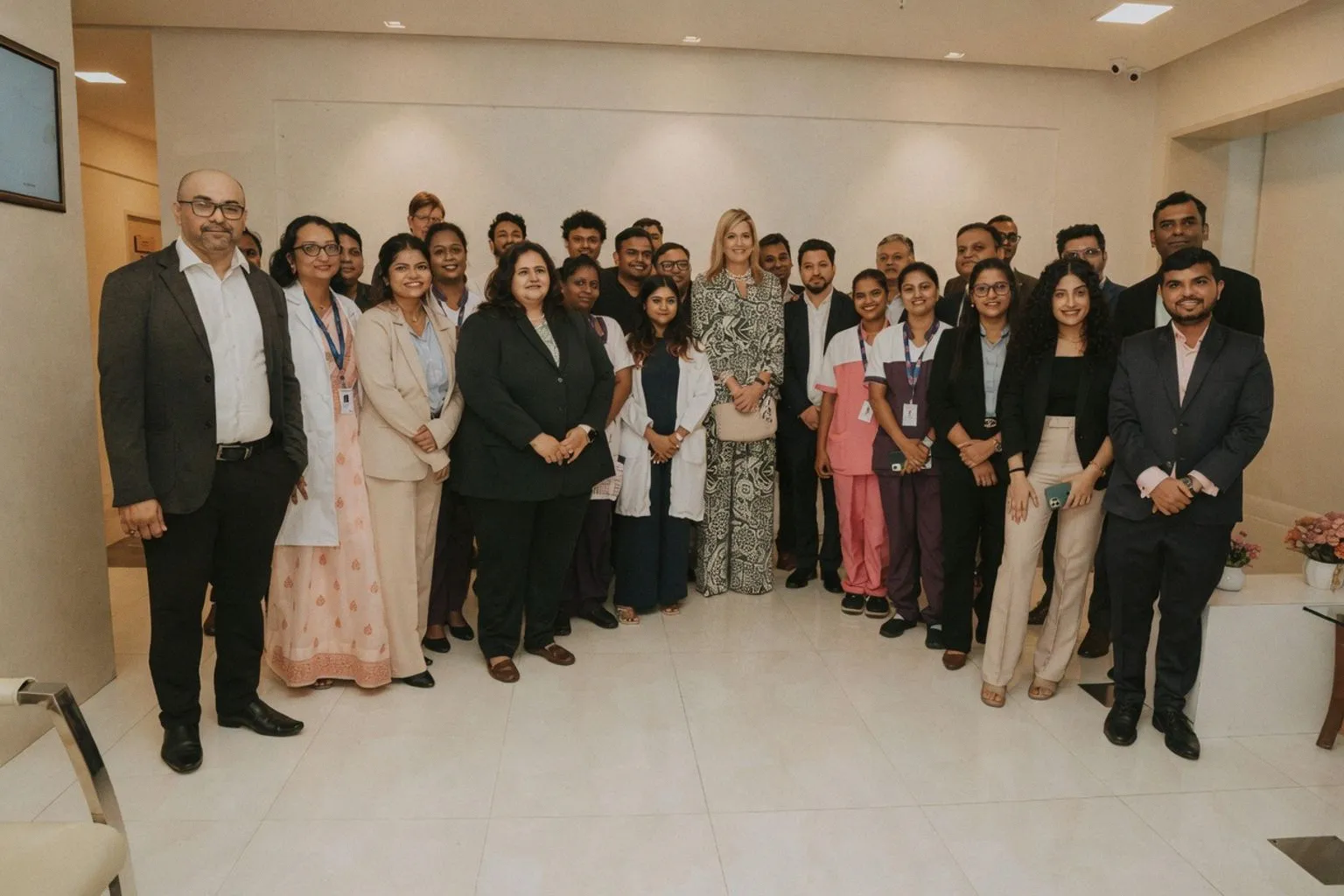
Queen Máxima, in her capacity as the UN Secretary-General's Special Advocate for Financial Health, spent June 24 in Mumbai doing what visiting dignitaries rarely do: sitting down with actual users. She met clients and senior leaders at SalarySe, an Indian fintech that has wedged itself into the awkward gap between payday and the rest of the month. The company now serves more than 1.5 million employees across over 100 enterprises — healthcare, technology, education, the sectors where burnout meets irregular cash flow.
Let me translate why this matters.
The Rails Are Already There
India built the rails. UPI is the obvious story everyone has heard. What's less discussed is what gets bolted onto those rails when a payroll-linked startup decides the problem isn't payments — it's everything that happens before and after the paycheck.
SalarySe's pitch is that it built an "AI-powered financial health architecture" atop India's Digital Public Infrastructure. Translation: UPI for the transaction, payroll data for the underwriting signal, and machine learning to figure out whether the nurse at HCG's Colaba Hospital can actually afford the EMI she's about to take. The company talks about "responsible liquidity," "financial literacy," "behavioural insights" — and yes, those are buzzwords, but the underlying mechanics are not fictional.
When your credit decision is built on real-time salary flow rather than a credit bureau score from 2019, you change who gets a yes. That is the actual disruption, and it is happening quietly in Indian payroll back offices while Western neobanks still argue about deposit market share.
Healthcare Workers as the Proof Point
Máxima's stop at HCG was deliberate. Healthcare professionals are the ideal test case for payroll-linked finance: stable income, brutal schedules, high stress, and the kind of irregular expenses — a parent's surgery, a child's school fee, a second shift — that mainstream banks do not model well. HCG partnered with SalarySe specifically because traditional employee benefits stopped precisely where the actual financial anxiety begins.
This is the part that should make CFOs in every large employer sit up. If your nurses and junior doctors are taking predatory salary advances from app-based lenders at ruinous monthly rates, you are not running a benefits program — you are subsidising someone else's margins. The companies that figure this out first will not just retain talent; they will quietly capture the lending relationship themselves. The employer becomes the bank. Everyone else becomes a distribution channel.
What I'm Watching
Three things. First, whether UPI-linked payroll underwriting survives the next regulatory cycle — India's RBI has a history of moving fast and breaking things, and embedded lending is squarely in its sights. Second, whether SalarySe can scale past the 1.5-million-employee base without unit economics turning ugly; payroll-linked fintechs live and die on employer concentration, and one lost enterprise contract can rewrite the spreadsheet. Third, whether the SalarySe model — built on public rails, not proprietary moats — is actually replicable in markets where the state hasn't already done the hard infrastructure work.
Spoiler: it probably isn't. That's the uncomfortable truth about India's fintech miracle. The country didn't just allow innovation; it pre-built the playground. Most of the Global South is still looking for the swings.