When the cost of credit changes
The cost of credit is back in the conversation, and not in the decorative way banks prefer. A Business & Financial Times item framed the issue plainly — when borrowing costs move, everything downstream moves with them.
Sylvia Parrish, Chief Business Columnist·updated July 12, 2026
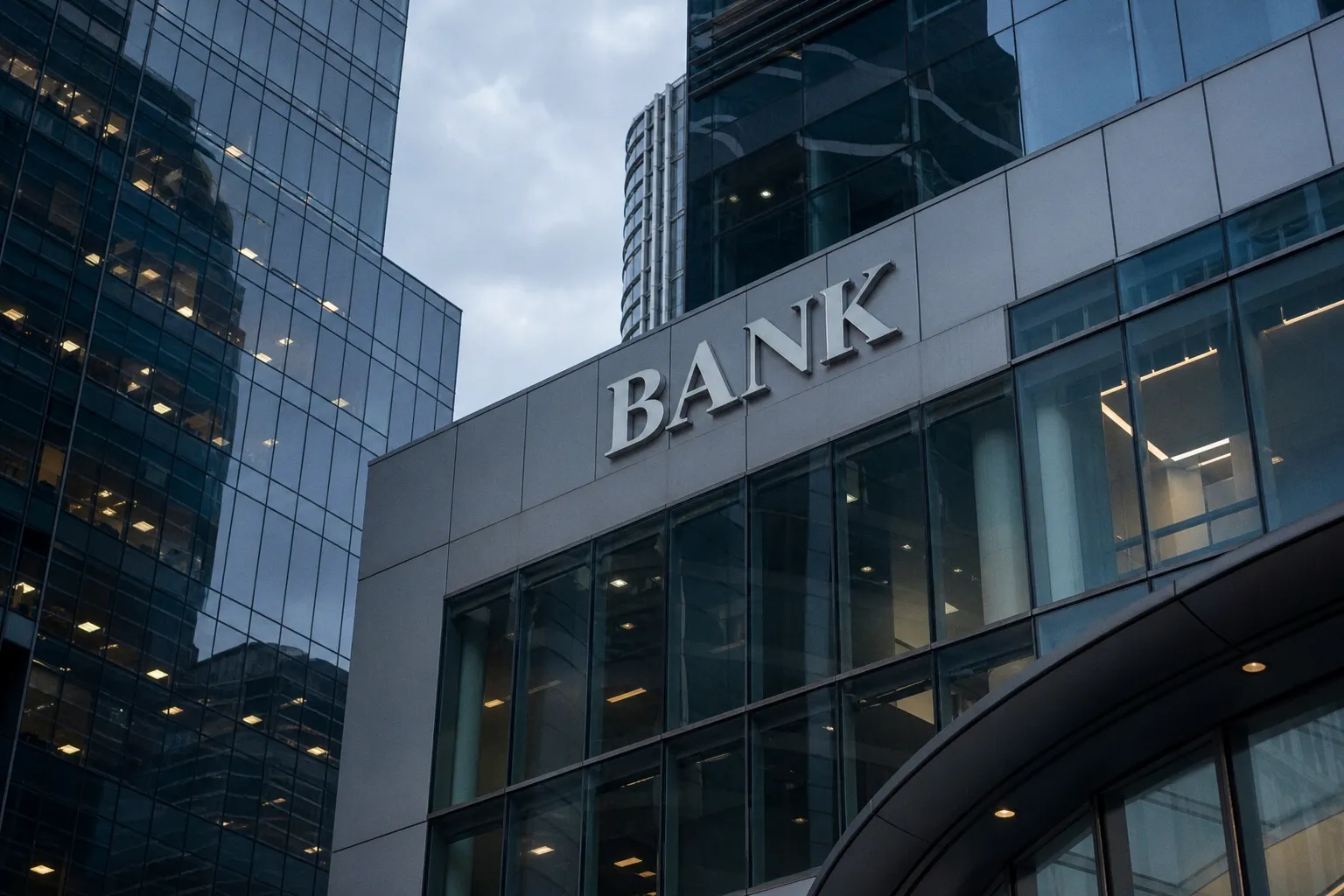
Credit repricing is not a headline — it is a household audit
When the cost of credit changes, the first victim is usually complacency. Companies feel it through refinancing. Households feel it through loans, cards, mortgages, installment plans and the quiet friction of monthly payments that no longer behave like yesterday’s spreadsheet.
The important point for readers is not whether one article has discovered a grand new market law. It has not. The point is that credit is the plumbing of modern finance. Change the pressure, and leaks appear.
So the practical move is brutally simple: check every floating or refinance-sensitive obligation you carry. Not emotionally. Numerically. What resets? What renews? What penalty sits in the fine print? What looked cheap when liquidity was abundant can become expensive with no theatrical market crash required.
This is where the hubris usually shows up. Borrowers assume they own the asset. Lenders know they own the terms.
Banking risk is being watched because leverage still has teeth
One market item says Deutsche Bank AG has highlighted strategic priorities while investors assess global banking risks. There are no detailed figures in the available material, so let’s not pretend we have a balance-sheet autopsy. But the phrase itself matters.
When investors start assessing banking risks more loudly, they are not admiring architecture. They are asking where credit exposure sits, how durable funding is, and whether the institution can keep its story intact when the price of money stops cooperating.
That is also why Europe’s financial-stability watchdog turning attention to private credit risks is worth noting. Private credit has become one of those phrases that sounds sophisticated enough to calm a room and vague enough to hide a great deal of complexity. It is credit outside the neatest, most visible channels. That does not make it bad. It does make transparency more valuable.
For investors, the question is not “is private credit dangerous?” That is too lazy. The sharper question is: who marks the assets, who bears the loss, and how quickly can anyone exit when everyone suddenly remembers liquidity is not a personality trait?
AI returns, volatility, and the old mirage in new clothes
The most promotional item in the cluster comes from XRPPower, which says it has introduced an AI-powered financial strategy for returns amid rising global financial risks. The company describes its approach as focused on security, transparency, openness and traceability, says product rules are visible online, claims no hidden fees or implicit conditions, and says daily returns are independent of market fluctuations. It also says it has used technologies including AI, blockchain, big data and cloud computing, and lists security measures such as SSL/TLS encryption, two-factor authentication, cold and hot wallet separation, multi-signature authentication and AI risk monitoring. According to the company, it launched in 2023 and now serves users across 189 countries and regions.
Fine. That is the pitch.
Now comes the part brochures dislike: any claim that returns are independent of market fluctuations deserves slow reading, not applause. Especially when the wider backdrop being invoked is volatility across stocks, foreign exchange, crude oil and digital markets. If a product says it can glide over turbulence, the first thing to inspect is not the logo, but the mechanism.
Ask what the return depends on. Ask where assets are held. Ask what happens if withdrawals cluster. Ask whether “transparent” means independently verifiable or merely visible on a dashboard. There is a difference. A dashboard can be a window. It can also be wallpaper.
The current credit moment does not require panic. It requires adult supervision of your own balance sheet. Borrow less carelessly, read terms more suspiciously, and treat friction as information. When credit gets dearer, illusions become the first asset class to reprice.