Bank of Korea Governor Dismisses Stock Market Volatility as Systemic Threat
I do not 100% agree with the assessment that the base rate dictates stock prices. That was Bank of Korea Governor Shin Hyun-song this week, drawing a firm line in the sand.
Sylvia Parrish, Chief Business Columnist·updated July 17, 2026
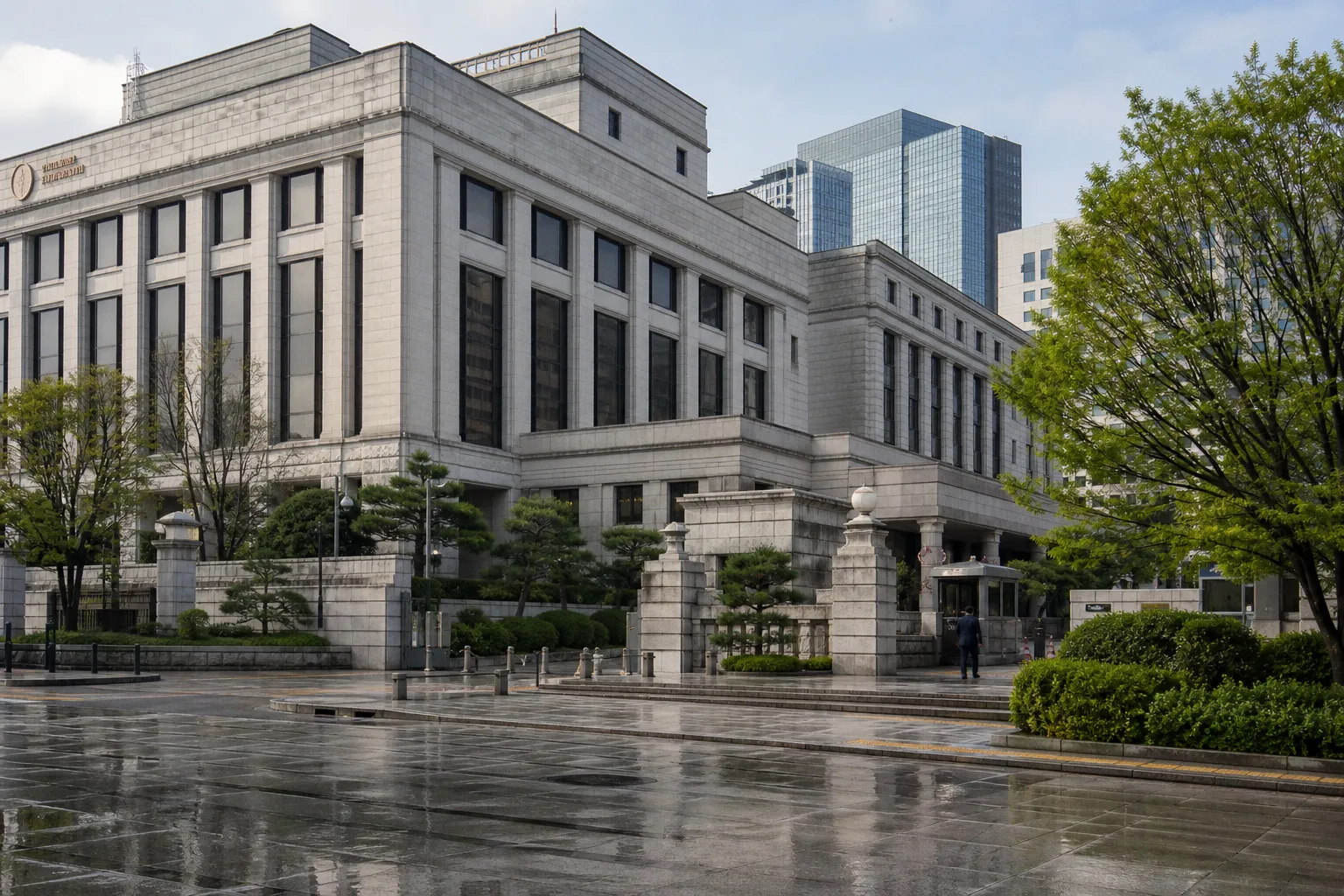
While the world watches market volatility with white knuckles, Seoul’s central bank chief is making a deliberate, almost contrarian point: your portfolio’s mood swing is not his primary concern. The real economy and the specter of inflation are the enemies he’s chosen.
Let me translate this for you. The Governor isn’t just talking; he’s acting. The Monetary Policy Board hiked the base rate by 25 basis points to 2.75%. That’s the concrete move. The rhetoric around it, however, is what matters for anyone thinking about Asia’s fourth-largest economy.
The ‘Wealth Effect’ Mirage
Governor Shin is deploying cold, hard data to dismantle a market scare tactic. He cited BOK analysis showing that a 1 million won increase in stock holdings (about $676) spurs a meager 13,000 won ($8.79) in consumption. In other words, the much-touted “wealth effect” of equities is practically a rounding error in Korea’s consumer economy. His message to those fretting over market dips derailing growth? Stop looking at the ticker tape and look at wages and income. This is a central banker betting on fundamentals over financial market hysteria, a stance that frankly deserves some respect.
Income Boom vs. Inflation Ghost
Here’s where it gets genuinely interesting, and where the real friction lies. The Governor spotlighted a stunning divergence: first-quarter GDP grew 3.8% year-on-year, but Gross Domestic Income (GDI) surged 13.2%. Why? A terms-of-trade boom from semiconductor exports is flooding the national balance sheet. This is not a theoretical problem. It’s a massive, data-backed demand-side pressure.
Shin’s warning is clear and scarred by the post-pandemic memory of 2021 inflation. That unprecedented income gap is a flashing red light. He’s watching the upcoming Q2 national income statistics and July CPI like a hawk, specifically core inflation and the living cost index. This isn’t a central bank signaling an end to hikes; it’s one reloading, waiting for confirmation.
Housing: A Political Problem, Not a Monetary One
And for the perennial elephant in the room—housing prices—Shin offered a blunt, almost weary, admission: it is unreasonable to try to control housing prices with monetary policy alone. Let that sink in. This is a direct admission of central banking limits, a rare piece of candor. It places the burden squarely back on government and regulators. For investors, it’s a crucial signal: don’t expect interest rate decisions to be the lever that cools the real estate market. That’s a different game, played with different tools.
The takeaway? The Bank of Korea is firmly in inflation-fighting mode, armed with a powerful income surge and a Governor who openly distrusts the market’s narrative. All possibilities remain on the table. Watch those upcoming income and inflation figures—they’re the only things that will give this hawks’ perch a reason to shift.