Market Volatility Ahead: Strait of Hormuz Disruptions Meet Critical US Inflation Data
I've spent enough years watching geopolitical flashpoints ripple through asset classes to know one thing: the Strait of Hormuz doesn't ask permission before rearranging your portfolio.
Sylvia Parrish, Chief Business Columnist·updated July 16, 2026
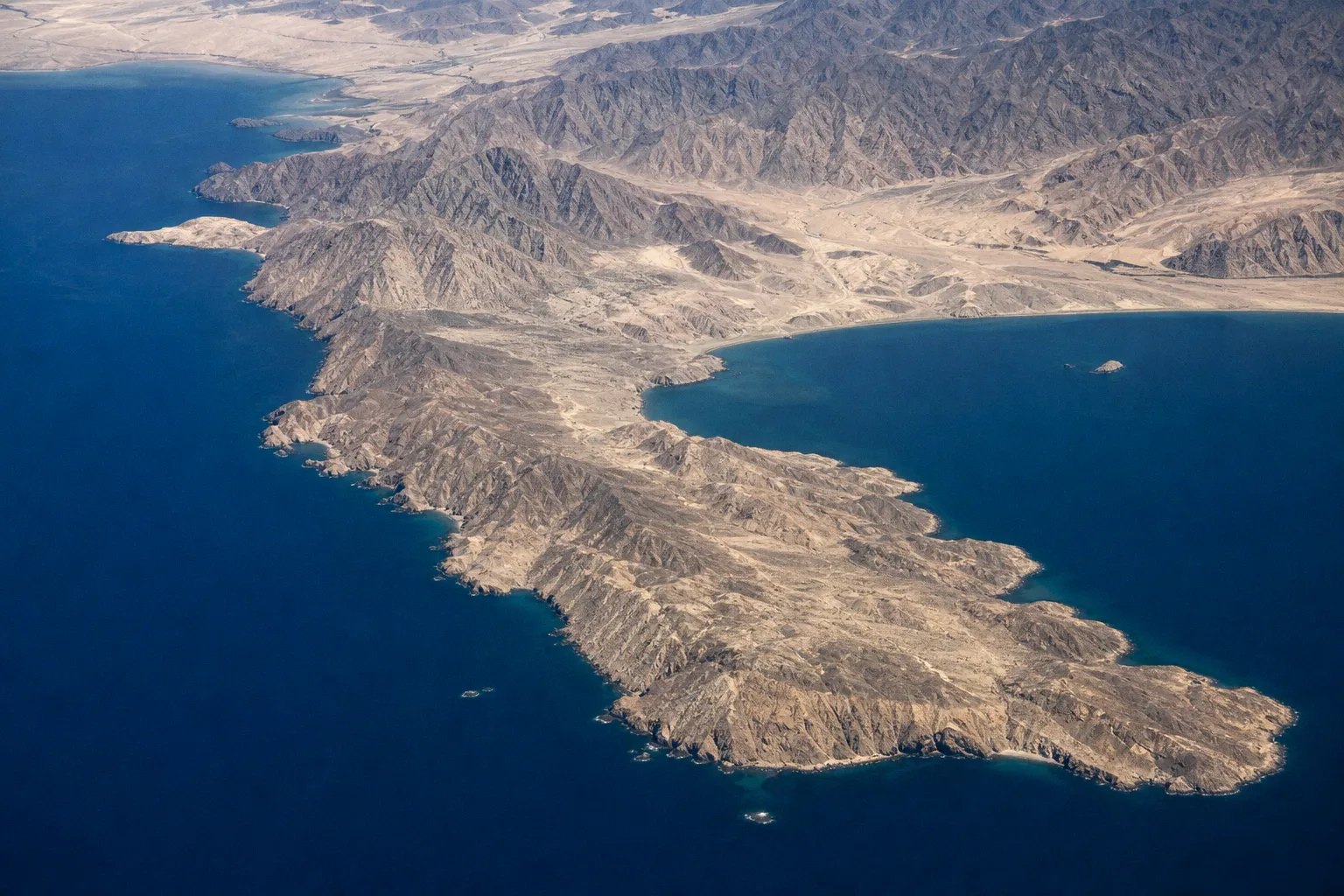
Last week's closure — the details of which are still settling — has already sent crude oil and polypropylene prices climbing. This week, traders get the real test: U.S. CPI on Tuesday, PPI on Wednesday, and a parade of consumer and manufacturing data that will tell us whether those energy costs are bleeding into the broader economy or staying politely contained in the barrel.
The inflation print everyone's watching
June's Consumer Price Index is the week's centerpiece. Crypto Briefing notes that a prediction market asking whether annual inflation will land at 3.6% or less is running at essentially a coin flip — 50.2% odds on "yes." That's not confidence; that's a market bracing for disappointment. The Producer Price Index follows on Wednesday, offering a second angle on whether rising energy costs are translating into persistent upstream price pressure. Add retail sales and the Philly Fed Manufacturing Index to the mix, and you've got a reasonably comprehensive snapshot of whether the U.S. consumer and industrial base are absorbing the shock or starting to buckle. Roughly one in ten S&P 500 companies report earnings this week, too — another data point for anyone trying to triangulate corporate pricing power against input costs that just moved higher.
South of the border, inflation stayed tame — for now
For a useful counterpoint, look at Mexico. GBM, the brokerage arm of the Mexican Stock Exchange, just published an analysis showing that the 2026 FIFA World Cup generated only localized, non-systemic price spikes — mostly in tourism-linked services — without transmitting broadly across the consumer basket. Mexico's headline inflation decelerated to 3.39% in June, prompting GBM to trim its year-end headline estimate from 4.6% to 4.3% and its core forecast from 4.3% to 4.0%. Banxico is holding its 6.50% benchmark rate regardless, citing persistent structural service pressures and long-term inflation expectations that sit at their highest since March 2019. Citi's Mexico desk expects headline inflation at 4.15% by December. The lesson here is nuanced: localized demand shocks can fizzle without becoming systemic, but the underlying price dynamics — the sticky, structural kind that central bankers lose sleep over — aren't going anywhere. Mexico's experience doesn't map directly onto the U.S., but it's a reminder that headline numbers can mask real friction underneath.
What the Hormuz disruption actually changes
Here's the part most summaries gloss over. The Strait of Hormuz handles a staggering share of global oil transit; its closure isn't a marginal supply squeeze, it's a chokepoint seizure. Crude prices have already responded. Polypropylene — the industrial polymer with tentacles in packaging, automotive, and construction — has moved in tandem. If Tuesday's CPI comes in hot, the narrative flips from "energy spike, probably transient" to "energy spike, now feeding the inflation loop." That distinction matters enormously for anyone managing duration risk, commodity exposure, or even just deciding whether to hedge a floating-rate position. The market is pricing in the possibility of persistent inflation pressure; a bad CPI print makes that possibility feel a lot more like a probability.
The week ahead is less about any single number and more about whether the story holds together — or starts to unravel. Watch the CPI. Watch Hormuz. And maybe don't assume the market's 50.2% coin-flip is a sign of equilibrium. It's a sign of uncertainty, and uncertainty has a way of resolving in the direction nobody's hedged for.