Gold's rally exposes fundamental cracks in global financial system
Gold hitting new highs is not a celebration. It's a confession. When the world's oldest store of value rallies hard enough to make headlines — as it's doing now, exposing what multiple reports frame…
Sylvia Parrish, Chief Business Columnist·updated July 10, 2026
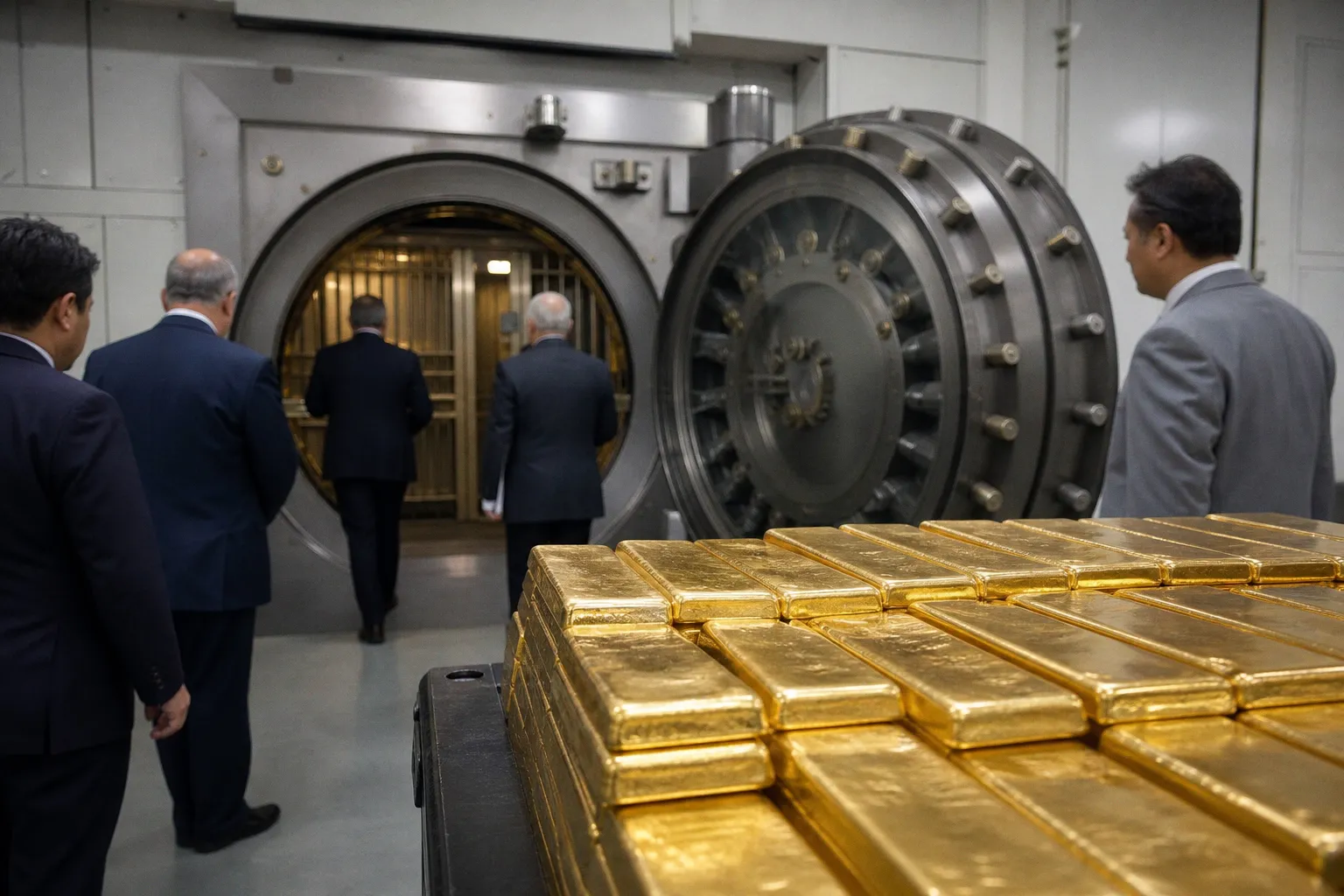
Gold hitting new highs is not a celebration. It's a confession. When the world's oldest store of value rallies hard enough to make headlines — as it's doing now, exposing what multiple reports frame as "fundamental cracks" in the global financial system — the market is telling you something the policy class won't say out loud. And if you're paying attention to the quiet structural erosion happening in multilateral development finance, the picture sharpens considerably.
The cracks aren't theoretical — they're showing up in the spreadsheets
Here's the number that should make you sit up: multilateral outflows reached nearly $300 billion in 2024, according to the OECD's Multilateral Development Finance 2026 Report, presented at a recent Centre for Policy Dialogue discussion. Sounds impressive. Except experts from across South Asia — Pakistan, Nepal, Sri Lanka, Bangladesh — are warning that early signs of financial strain are already emerging, particularly in concessional financing for the countries that need it most.
Let me translate that for you: the global safety net is fraying at the edges, and the people closest to it can see the threads snapping. Dr. Rashed Al Mahmud Titumir, advising Bangladesh's Prime Minister on Finance and Planning, framed it bluntly — this isn't merely a warning about declining aid. It's a call to rethink how development gets financed in the coming decades. When a senior government adviser uses that language, pay attention.
Gold knows what diplomacy won't say
The market doesn't wait for communiqués. Gold's rally — the headline event here — is the financial system's way of voting with its feet. Geopolitical fragmentation, shrinking concessional resources, rising debt stress: these aren't abstract policy concerns anymore. They're repricing the risk architecture of the entire global order.
OECD Senior Economist Henri-Bernard Solignac-Lecomte stressed that preserving the multilateral system would require "bold reforms." Leonardo Altieri, presenting the report, described a new phase marked by shrinking resources, with contributions expected to decline significantly. That's diplomatic code for: the old model is dying and nobody has a replacement.
Meanwhile, countries like Bangladesh — preparing to graduate from Least Developed Country status — face what Dr. Fahmida Khatun calls a historic transformation in the development finance system. They've benefited substantially from concessional flows in infrastructure, health, education, but the tap is tightening. The irony is sharp: the very success that earns a country a "graduation" strips it of affordable financing just as global risks multiply.
What a gold bug actually watches
So what does this mean if you're not sitting in Dhaka or Kathmandu? Simple friction logic. Gold rallies when trust in the institutional plumbing erodes. When multilateral development finance — the connective tissue of the post-war economic order — shows signs of structural fatigue, smart money moves to the asset that doesn't depend on anyone's promise to pay.
The experts called for safeguarding concessional financing, strengthening climate finance, reforming eligibility criteria to reflect climate vulnerability and debt sustainability rather than income levels alone. Noble goals. But reform requires political will, and political will requires consensus — the exact commodity in shortest supply right now.
Bangladesh's Director General for Multilateral Economic Affairs, Shah Asif Rahman, urged stronger commitments from developed countries and international financial institutions. I've covered enough of these calls to know what they usually produce: communiqués with excellent intentions and modest follow-through.
Gold doesn't need a communiqué. It just needs a direction — and right now, the direction is up because the foundations are shaking. Keep watching concessional financing flows. When they contract, gold doesn't need another reason.