Bank of England Holds Rates Steady Amid Global Market Volatility
According to Coinfomania, the Bank of England has just held its interest rate steady, sending a clear signal to markets that had been pricing in a move.
Sylvia Parrish, Chief Business Columnist·updated July 19, 2026
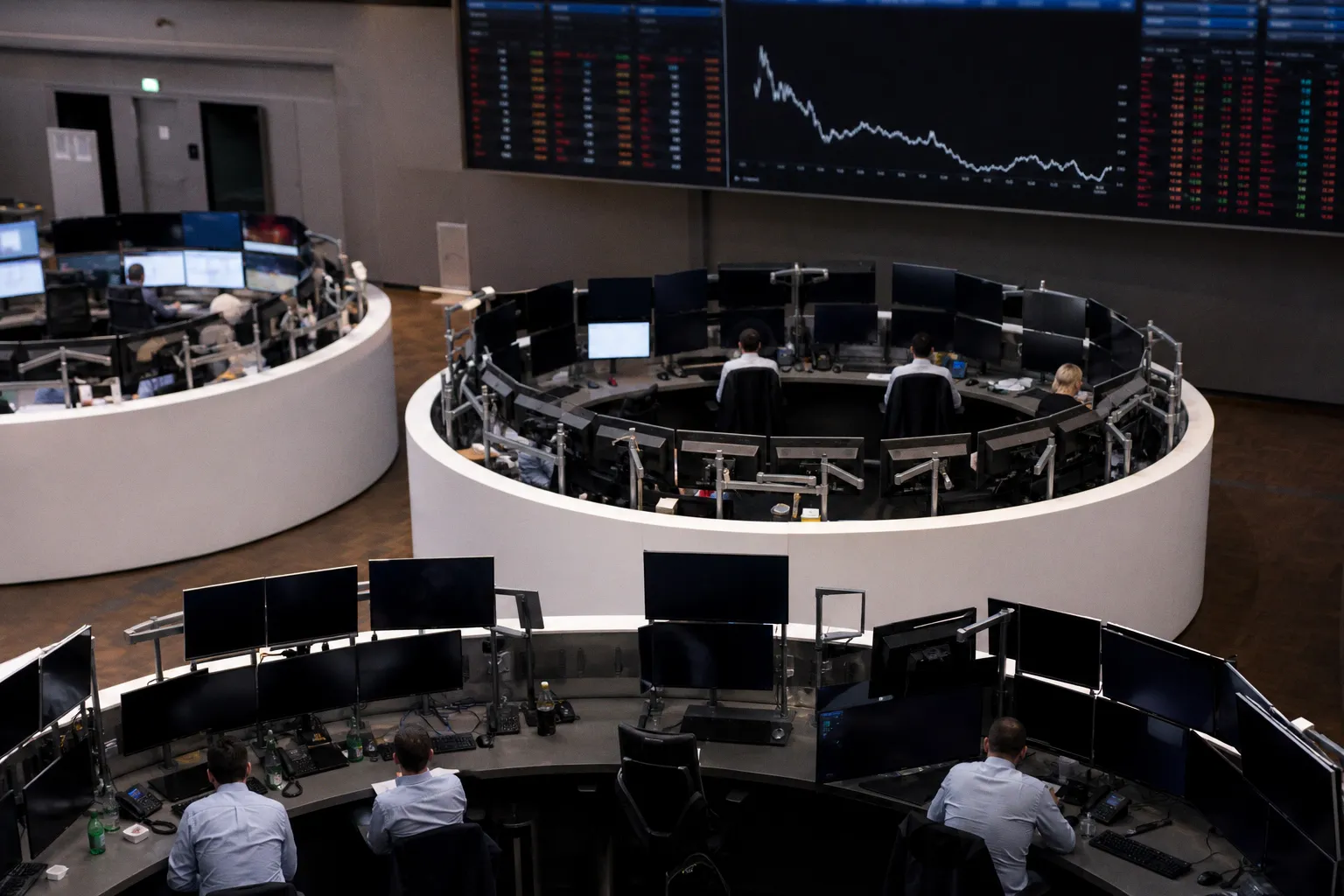
Let’s translate central-bank theater into portfolio friction. According to Coinfomania, the Bank of England has just held its interest rate steady, sending a clear signal to markets that had been pricing in a move. For those of us watching sterling and gilt yields, this isn’t just a pause—it’s a statement of intent in a year where every basis point is a battleground.
The Three-Body Problem: BOE, Fed, and a Barrel of Oil
Here’s the tension. The BOE’s hold comes hot on the heels of what Intellectia AI flagged as the Fed’s own July 2026 rate decision, a event whose impact and strategy they’re still analyzing. Now, layer in the crude oil surge reported by Global Banking & Finance Review, triggered by fresh geopolitical brinkmanship at the Strait of Hormuz. You have a central bank trying to anchor domestic inflation while global energy costs—and its biggest peer’s next move—pull in opposite directions. The hubris lies in thinking any one decision exists in a vacuum.
What the Hold Really Signals
Forget the headlines. A hold is rarely neutral. It’s a hedge. It suggests the Monetary Policy Committee sees enough uncertainty—perhaps in wage growth, perhaps in that very oil-driven inflation—to justify inaction. They’re buying time. For the gilt market, that means continued volatility as traders reposition around the next data drop. For sterling, it’s a temporary floor, but not a foundation. The friction is palpable; everyone is waiting for someone else to blink.
Your Move: Cash, Carry, and Caution
So, what’s the practical takeaway? If you’re holding UK assets, this isn’t a green light to chase yield. It’s a reminder to check your exposure to rate-sensitive sectors—think real estate or utilities—and your currency hedging. The mirage of stability post-hold is just that: a mirage. The real story is the divergence it creates with the Fed, which you can explore in Intellectia’s analysis here. In the end, central bank decisions are less about economics and more about managing expectation. Today, the Bank of England chose to manage it by doing absolutely nothing. Sometimes, that’s the most aggressive move of all.